Source breathable quick dry cycling socks for Running, Racing, Training
Compare 30 listings of breathable quick dry cycling socks from verified Chinese manufacturers. Buyers can evaluate custom designs, material blends like cotton and spandex, and features such as anti-bacterial and non-slip properties for outdoor sports applications; compare the available evidence and request quotations based on your requirements.
Key considerations
Products List
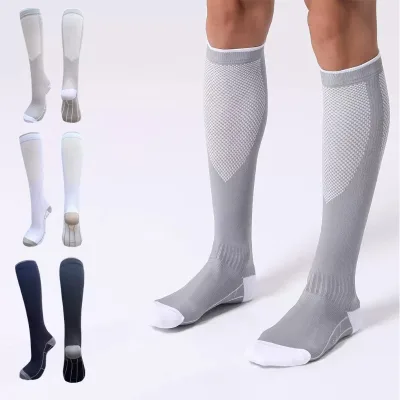


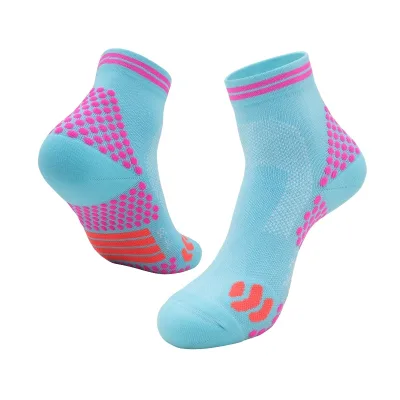


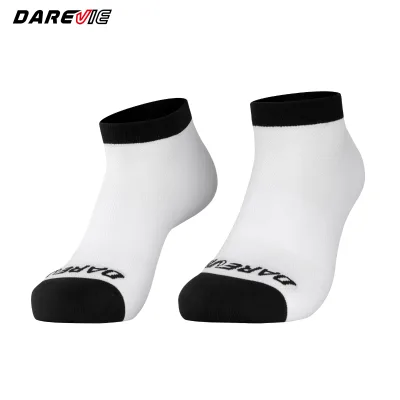
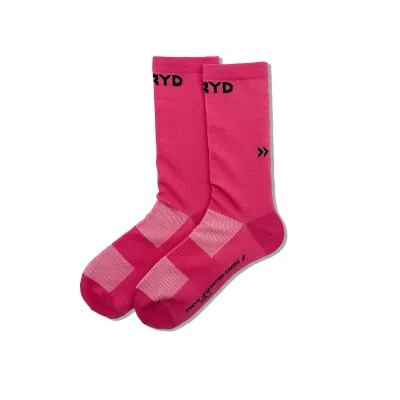


Comprehensive Sourcing Guide
Breathable Quick Dry Cycling Socks Sourcing Guide
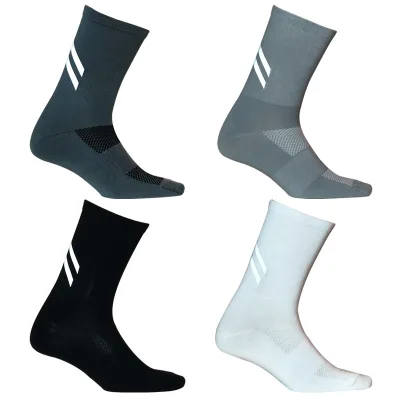
Procuring breathable quick dry cycling socks requires identifying manufacturers that explicitly list moisture-wicking capabilities alongside specific knitting techniques. The observed market data confirms that suppliers in Zhejiang, China, frequently offer products combining cotton with spandex or polyester to achieve the necessary elasticity and sweat absorption. Buyers must verify that the "Quick Dry" and "Breathable" features are not merely marketing terms but are supported by the material composition and the knitted structure of the sock.
When evaluating listings, focus on the specific application tags such as "Cycling," "Running," and "Sports Training" to ensure the product is engineered for high-intensity movement. The presence of "Anti-Slip" and "Sweat-Absorbent" attributes indicates a design intent to manage friction and moisture during prolonged rides. It is critical to distinguish between generic athletic socks and those specifically optimized for cycling, as the latter often feature reinforced zones and specific length profiles like crew socks to protect the ankle and calf during pedaling.
Product Scope and Observed Listing Signals
The current market for custom sports socks demonstrates a wide range of customization options, including logo placement on the cuff, body, or bottom, and the availability of custom designs via digital or silk screen printing. Suppliers offer various color palettes ranging from standard black and white to custom requests, with sizes often available in specific ranges like EU 38-44 or custom sizing to fit different foot dimensions. This flexibility allows buyers to create branded merchandise that aligns with their team or corporate identity while maintaining functional performance standards.
Buyers should note that the observed product count includes items with varying thickness levels, from standard to medium, which may influence the thermal regulation and comfort during different weather conditions. The packaging details vary significantly, with some suppliers offering compressed bags for individual items and others providing standard export cartons containing 150 pairs. Understanding these logistical variations is essential for calculating landed costs and ensuring that the final product arrives in a condition suitable for retail display or direct distribution to athletes.
Technical Specifications to Verify
Technical verification must begin with the material blend, as the supply data indicates a mix of spandex, cotton, and polyester, each contributing differently to breathability and durability. Spandex provides the necessary stretch for a snug fit, while polyester enhances the quick-drying properties essential for cycling. Buyers should request detailed fabric composition reports to confirm that the ratio of synthetic fibers is sufficient to prevent water retention, which can lead to blisters and discomfort during long rides.
The knitting technique and structural design are equally critical, with "Knitted" being the primary method observed in the listings. Verify that the socks feature a crew length and specific needle detection capabilities to ensure there are no loose threads or structural weaknesses that could compromise performance. Additionally, confirm the presence of anti-slip features and the specific placement of logos, as these elements affect the aerodynamics and comfort of the sock when worn inside cycling shoes.
Compliance and Safety Documentation
While specific certification statuses like ISO 9001 or OEKO-TEX are not explicitly confirmed in the provided product data, buyers must treat these as mandatory verification points rather than assumed attributes. The supply chain for textile products often involves complex chemical treatments for dyeing and finishing, making it essential to request proof of compliance with international safety standards regarding harmful substances. Without documented evidence, the "Eco-Friendly" claims found in some listings remain unverified and potentially misleading for environmentally conscious procurement strategies.
Safety documentation should also address the physical integrity of the product, particularly regarding needle detection. The listing data mentions that needle detection is available as a Yes or No option, which is a critical quality control step for preventing metal contamination in the final textile product. Buyers should insist on a clear statement regarding whether the manufacturing facility employs metal detection systems to ensure the socks meet the safety requirements of major retailers and end-users who demand high standards of product safety.
Cost Drivers and Commercial Terms
The commercial landscape for these socks is characterized by a wide range of minimum order quantities, observed between 2 and 3000 units, which significantly impacts the unit cost and budget planning. Lower MOQs allow for smaller test batches but often come with higher per-unit pricing, whereas larger orders typically unlock better economies of scale. Buyers must carefully balance their inventory needs against the cash flow implications of ordering in bulk, especially when dealing with custom designs that require specific setup costs for printing and packaging.
Pricing is further influenced by the complexity of customization, including the choice of printing methods such as digital, hand-drawn, or silk screen printing. The single package size and gross weight also play a role in logistics costs, with variations in dimensions like 20x20x2 cm versus 22x12x3 cm affecting shipping efficiency. Understanding these variables is crucial for accurate total cost of ownership calculations, as the final price is a composite of material costs, labor, customization fees, and international freight charges.
Supplier Qualification and Quality Control
Supplier qualification should prioritize those offering OEM services with a clear track record in producing custom sports socks for activities like cycling and running. The presence of a specific brand name like "HAD SOCKS" or "ZY" in the listings suggests established entities, but buyers must independently verify their production capacity and quality control processes. It is advisable to request samples that demonstrate the actual performance of the "Quick Dry" and "Breathable" claims under real-world cycling conditions before committing to a large order.
Quality control protocols must include rigorous checks on the consistency of the knitted structure and the durability of the custom logos. Since the product features are designed for outdoor sports, the socks must withstand repeated washing and high-stress movement without losing their shape or moisture-wicking properties. Buyers should establish clear acceptance criteria for defects such as uneven dyeing, loose stitching, or incorrect sizing, ensuring that the final shipment matches the approved sample in every technical and aesthetic detail.
Long-Term Procurement Checks
Establishing a long-term partnership requires regular audits of the supplier's ability to maintain consistent quality and adhere to agreed-upon timelines. The observed lead times and production capabilities should be monitored to ensure that the supply chain remains resilient against potential disruptions. Buyers should implement a system for periodic re-evaluation of the product specifications to ensure that the materials and manufacturing techniques continue to meet evolving market demands and performance expectations.
Continuous improvement in the product line should be driven by feedback from end-users regarding comfort, fit, and durability. As the cycling market evolves, suppliers must be willing to adapt their designs, such as adjusting the thickness or integrating new anti-bacterial technologies, to stay competitive. Maintaining open communication channels with the supplier allows for proactive adjustments to the product scope, ensuring that the procurement strategy remains aligned with the long-term goals of the business and the needs of the athletes.
FAQs
Can I get custom logo printing on these socks?
Yes, custom logo printing is available on these socks. You can choose from digital print, silk screen, or discharge methods. Logos can be placed on the cuff, body, or bottom. The brand HAD SOCKS supports OEM services for personalized branding needs.
What materials are used for these breathable socks?
These socks are made from a blend of spandex, cotton, and polyester. This combination ensures they are breathable, quick-dry, and sweat-absorbent. The knitted fabric provides comfort and durability, making them suitable for running, cycling, and other outdoor sports activities.
What sizes are available for these cycling socks?
Customized sizes are available for these socks. Options include standard sizes like S, M, and L, as well as EU 38-44 ranges. You can specify exact dimensions to fit different foot sizes. The product supports custom sizing to meet specific buyer requirements.
How are these socks packaged for shipping?
These socks are packaged in compressed bags or standard export cartons. Individual items may come in OPP bags. Each carton typically contains 150 pairs. The single package size is approximately 20x20x2 cm, ensuring efficient storage and transportation for bulk orders.
What features make these socks suitable for sports?
These socks feature quick-dry, breathable, and anti-slip properties. They are designed to be lightweight and sweat-absorbent. The knitted construction offers comfort during running and cycling. Additional features include antibacterial protection and eco-friendly materials, ensuring performance and hygiene during intense physical activities.
Where are these socks manufactured?
These socks are manufactured in Zhejiang, China. The production follows OEM service standards to ensure quality. The origin is clearly stated as China, providing transparency for international buyers. This location supports efficient supply chain management for global distribution needs.